
KTV meaning in plain words
KTV stands for “karaoke television”. The term grew popular in Taiwan and mainland China. There, karaoke moved out of open bars and into private rooms with a TV screen. So if you ask what does KTV stand for, the short answer is karaoke plus a screen in your own room.
So what is KTV, in one line? It is karaoke in a private room that only your group uses.
In Malaysia, the word carries the same idea. You book a room, close the door and sing with your friends only. You do not sing on a stage in front of strangers. That privacy is the main reason the format took off across Asia.
Chinese speakers write it the same way. If you search ktv是什么意思, you will get the same answer. In Mandarin, people often call the room a 包厢, which simply means a private room.
KTV vs karaoke
Are they the same thing? Mostly, yes. Karaoke is the activity: you sing over a backing track while lyrics roll on a screen. KTV is a venue format built around that activity. In short, all KTV is karaoke, but not all karaoke is KTV.
For example, a pub with one shared mic offers karaoke. However, it is not a KTV, because nobody gets a private room. A booked room with your own screen and song list is KTV.
Where karaoke came from
The word karaoke comes from Japanese. It joins “kara” (empty) and “okesutora” (orchestra), so it means an orchestra with no singer. Japanese bars made it popular in the 1970s. Later, Taiwan and Hong Kong turned it into the room-based model that Malaysians know today.
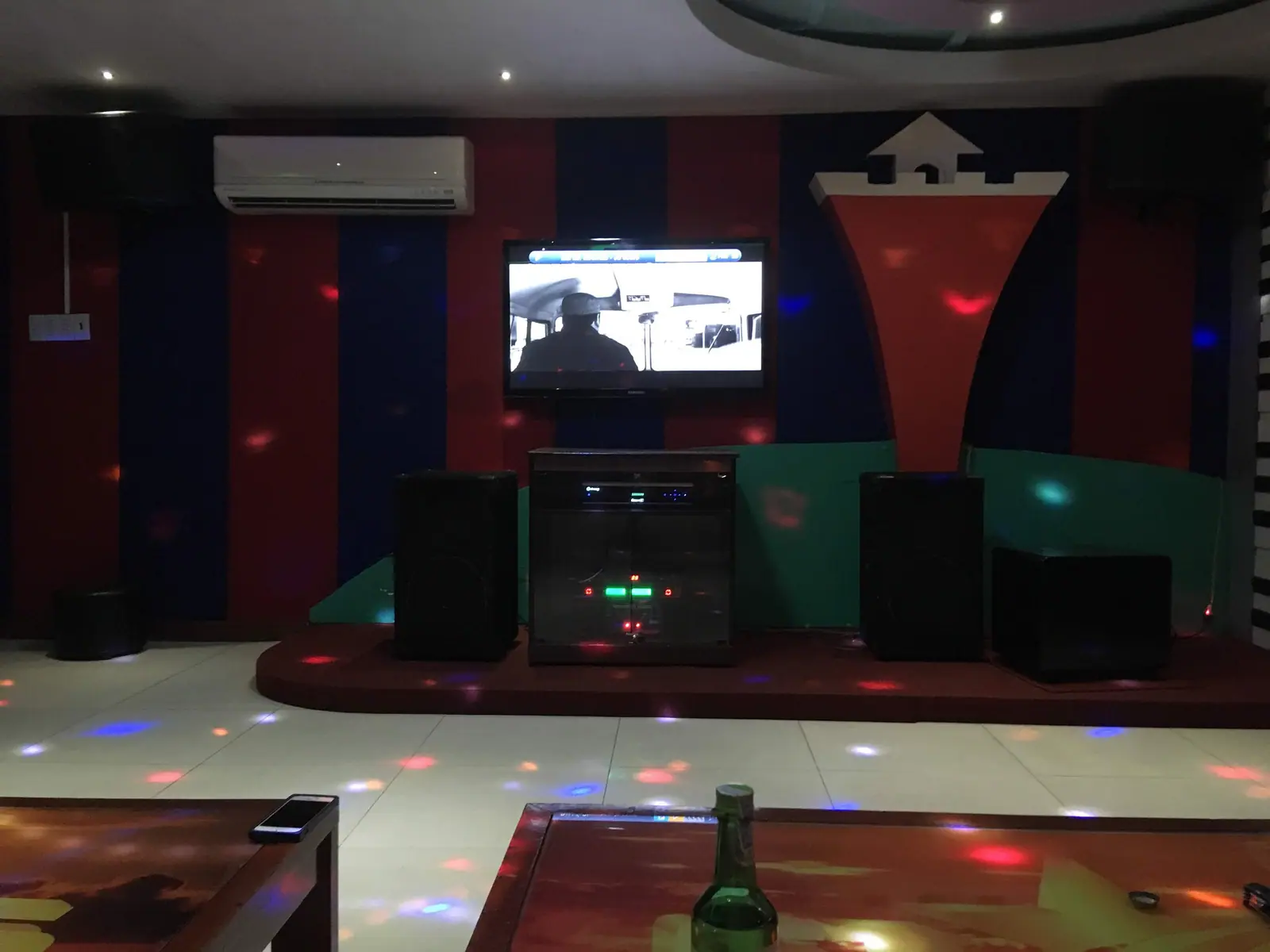
How a KTV session works
First, you book a room or walk in. Popular venues fill up on Friday and Saturday nights, so booking ahead helps. Next, staff lead you to a room sized for your group. Rooms range from small ones for a handful of friends to large rooms for 30 or more.
Inside, you will find a big screen, two or more wireless mics, sofas and a low table. A touchscreen or tablet lets you search songs by title, singer or language. You add songs to a queue, and the system plays them in order. Most systems also let you skip a song or push one to the top.
Then you sing, eat and drink. Many rooms have a call button for staff. Finally, you pay when your time ends. If the room is still free, you can usually extend by the hour.
What happens in the room
Mostly singing, chatting and snacking. Groups take turns on the mic, cheer for each other and order food. Mandarin, Cantonese, English, Malay and K-pop songs are standard in KL song libraries. Some groups add dice games, while others just talk between songs. Still, the core of the night stays simple: your group, a playlist and a closed door.
What is KTV at a lounge?
The KTV lounges in this guide are adult nightlife venues for guests aged 18 and over. They are not suitable for children. Most open in the late afternoon or evening and run well past midnight. Instead of a simple hourly rate, they sell room packages or set a minimum spend, usually built around beer or bottles of spirits.
For instance, 金色年华 in Kuchai Lama posts packages that bundle 12 to 36 cans of beer with room time. Its 2026 poster starts at RM418++ for a small room, so confirm current rates with the venue.
Rooms and décor
Lounge rooms vary a lot. Some are small rooms for a handful of friends, while others are large VIP rooms for big groups. Reviewers of D'Arc Club in Ampang, for example, single out a very large "King's Room". Meanwhile, D Babylon Club in Pudu shows rooms with LED star-field ceilings and neon lighting in its own photos. D'Emperor KTV on Jalan Ipoh sells four room tiers, from small to VIP.
Food and drink
Drinks sit at the centre of a lounge night. Most lounges sell beer packages and bottled spirits, and many also serve bar food. For example, Crown KTV's menu includes chicken wings, fried rice and seafood. If anyone in your group does not drink, ask the venue what soft drinks it offers.
What is KTV like in Malaysia?
In Malaysia, KTV is a mainstream night out, especially among Chinese-Malaysian friends and colleagues. You can find lounges in many Klang Valley suburbs. For instance, karaoke Bukit Bintang has central late-night lounges close to the monorail. Others sit in suburban shoplots and office towers, from Kepong to Puchong.
Some venues blend formats. Mansion 9 KTV combines Chinese banquet dining and karaoke in the same private room. Similarly, D Babylon Club pairs a ground-floor bar with DJ, live band and dance shows with private KTV rooms upstairs, according to its own TikTok posts.
Is KTV a bar?
Not quite, although many people who ask what is KTV assume it is a type of bar. A bar sells drinks in a shared space. A KTV rents out private room time, and drinks come with it. Lounges do serve alcohol, so at night they feel closer to a bar. Still, the private room is what makes it KTV.
Opening hours and booking
Lounge hours differ widely, so check before you set off. Crown KTV lists 4pm to 3am daily, and Mansion 9 lists 3pm to 3am, public holidays included. On the other hand, Crystal KTV in Damansara Intan opens 5pm to 2am and closes on Sundays. Some venues run much later. De-Millionaire KTV in USJ lists 6pm to 8am.
Booking is usually by phone or WhatsApp. Few lounges take online bookings. A third-party note on Bintang Palace also says security may refuse walk-ins when the venue is full. So a quick message before you leave saves a wasted trip.
Is KTV legal in Malaysia?
Yes. KTV is a legal, licensed business in Malaysia. Venues need an entertainment licence from their local council, such as DBKL in Kuala Lumpur. Lounges that sell alcohol also need a liquor licence, and every outlet has to meet fire safety rules.
Rules on hours, age limits and alcohol can differ by council and can change. So if you plan a late night, check the venue’s own hours and entry policy. Lounges ask guests to be 18 or older, and some may check your IC or passport at the door.
How much does KTV cost?
Lounge nights are not cheap. You pay for the room and drinks as a package, or you meet a minimum spend. Google Maps users often report spending RM200 or more per person at lounges such as Bintang Palace.
Also, expect a 10% service charge and 8% SST on most bills. A "++" after a price means both charges come on top. Our KTV price KL guide breaks down the published rates venue by venue.
Tips for a first visit
Now that you know what is KTV, a few habits make the first night smoother:
- Book ahead for Friday and Saturday nights, especially for groups over ten.
- Check that everyone in your group is 18 or older before you invite them.
- Bring your IC or passport, because some lounges check ID.
- Read the package price first, and ask what “++” adds to the bill.
- Share the mic, and never cut someone else’s song halfway.
- Plan a Grab ride home if anyone is drinking.
Our guide to KTV etiquette covers dress codes, song systems and the unwritten rules in more detail.
Key takeaway: What is KTV? It is karaoke in a private room for your own group. In KL, the lounges we list are 18+ venues that sell room packages or a minimum spend, so book ahead and check the price first.
Where to start in KL
Once you know what is KTV and what a lounge night involves, the next step is picking a venue. If you want an easy first try, choose a lounge that publishes its prices, so the bill holds no surprises. Then, once you know what you like, explore the wider list of karaoke Kuala Lumpur venues by area. These three show the range, from beer packages to dining-style KTV:

Golden Palace KTV
金色年华
Kuchai Lama KTV lounge with published beer-and-room packages from RM418++; rooms refurbished in 2026.
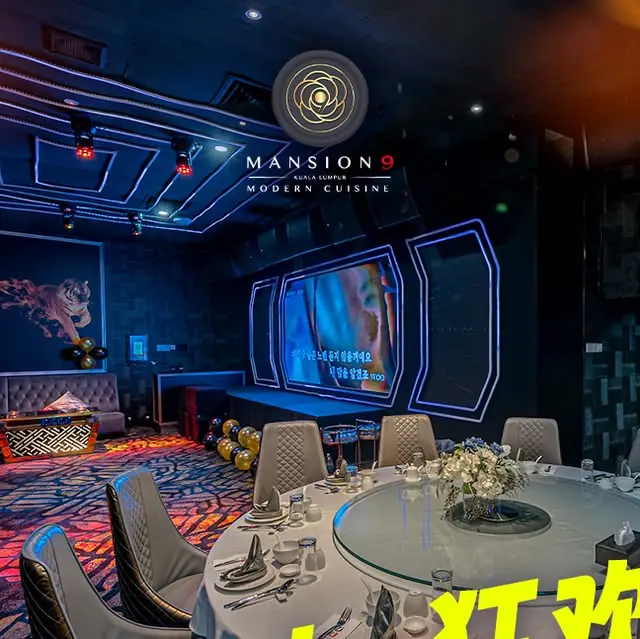
Mansion 9
9號公館
Chinese banquet dining and private karaoke in one room on Jalan Kampung Pandan; open daily 3pm–3am.
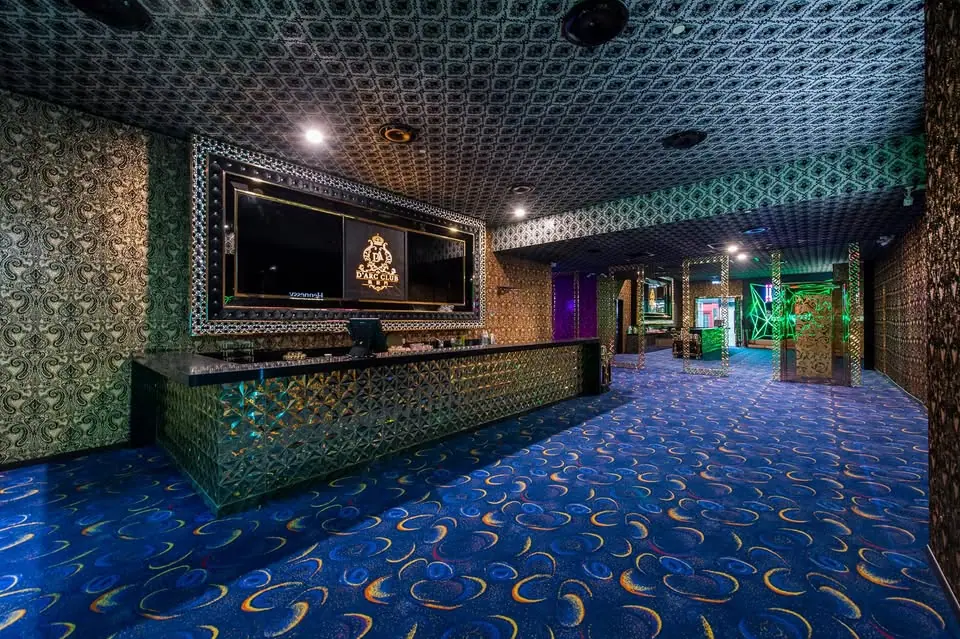
D'Arc Club
凯旋门
Long-running Ampang KTV lounge in Plaza Ampang City, praised for its sound and a large King's Room.